At Magdala House, we know that moving is never just about changing addresses. For our Adult Intellectually and Developmentally Disabled (IDD) clients, moving has meant something much deeper: safety, dignity, and finally being able to say, this is my home.
Beginning in early 2025 and continuing into 2026, Magdala House has been transitioning our Adult IDD clients from shared group home settings into Individual Supported Living homes.
Previously, many of our clients lived in homes with six to eight people, supported by rotating staff. These homes were part of established communities, and for many clients, they were familiar and deeply meaningful. People lived together for years, sometimes decades. They built routines, relationships, and bonds that felt like family.
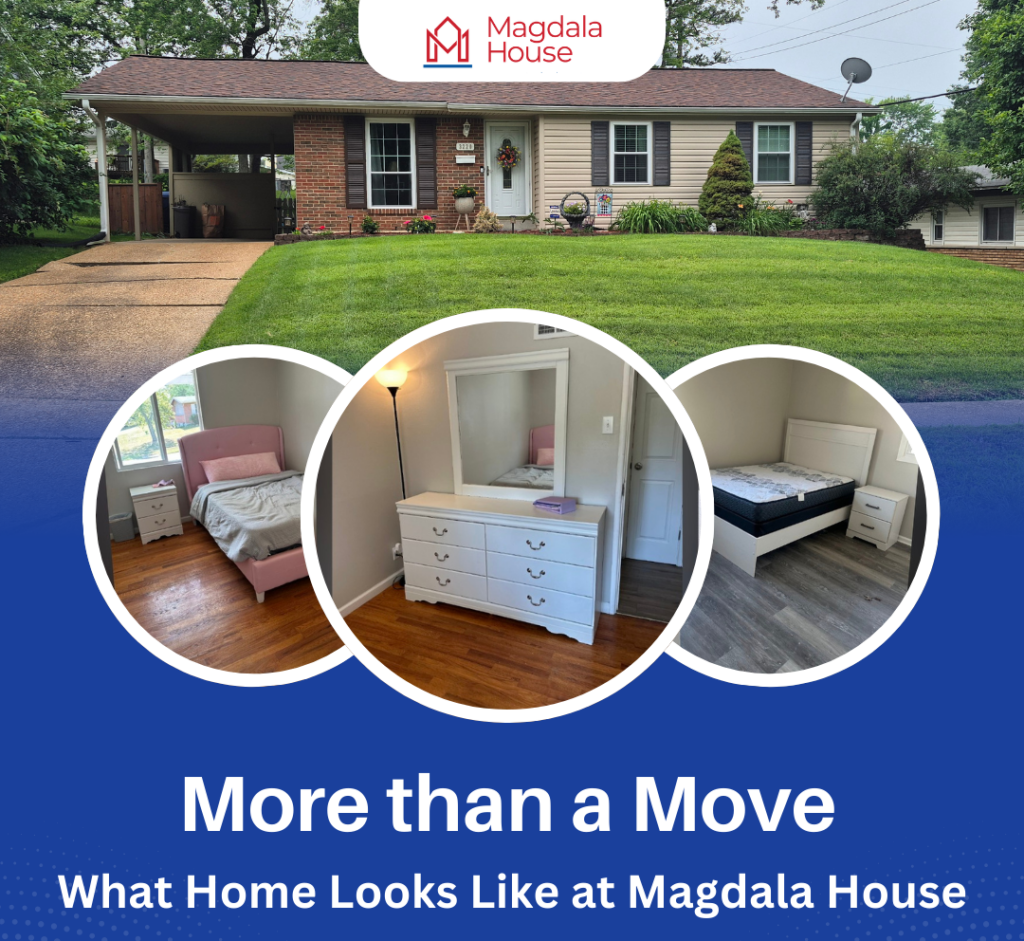
Individual Supported Living looks different. ISL homes are smaller, typically serving three individuals per home, with more consistent one to one staff support. These are real houses in real neighborhoods. Ranch style homes. Front yards. Neighbors who wave. Spaces where people are not just housed, but truly settled.
Because of the relationships our clients built in their previous homes, this transition was not simple. Leaving a place that feels familiar, even for something better, can be emotional. That is why each move requires care, patience, and trust.
One client, who had lived in the same home for nearly 20 years, struggled on move-in day. He wanted to return to the only place he had ever known. Today, that same client proudly tends the yard, takes out the trash, and sleeps comfortably in his own room. He is settled. He is home.
That is what this transition represents.
In these new homes, our clients have real choice. They decide what they eat. How they decorate their rooms. When they go out. Whether they work that day or take time to rest. Each room reflects the person who lives there. Sports teams. Favorite characters. Bright colors. Quiet spaces. No two homes feel the same because no two people are the same.
Every move is planned carefully. Transportation to work and day programs. Medical access. Staff compatibility. Roommate matching. We do not move people and hope it works. We move people when we know their needs will be met.
Being in these homes has changed how our clients show up in the world. They go to brunch. They invite people over. They decorate for holidays they are excited about. They wave to neighbors and attend neighborhood events.
In one neighborhood, that shift became visible during the holidays. Our clients were invited to join a Christmas walk their street hosts each year, walking together to look at the lights. It was a simple invitation, but a powerful one. They were not being accommodated or observed. They were included. They were neighbors.
That shift matters.
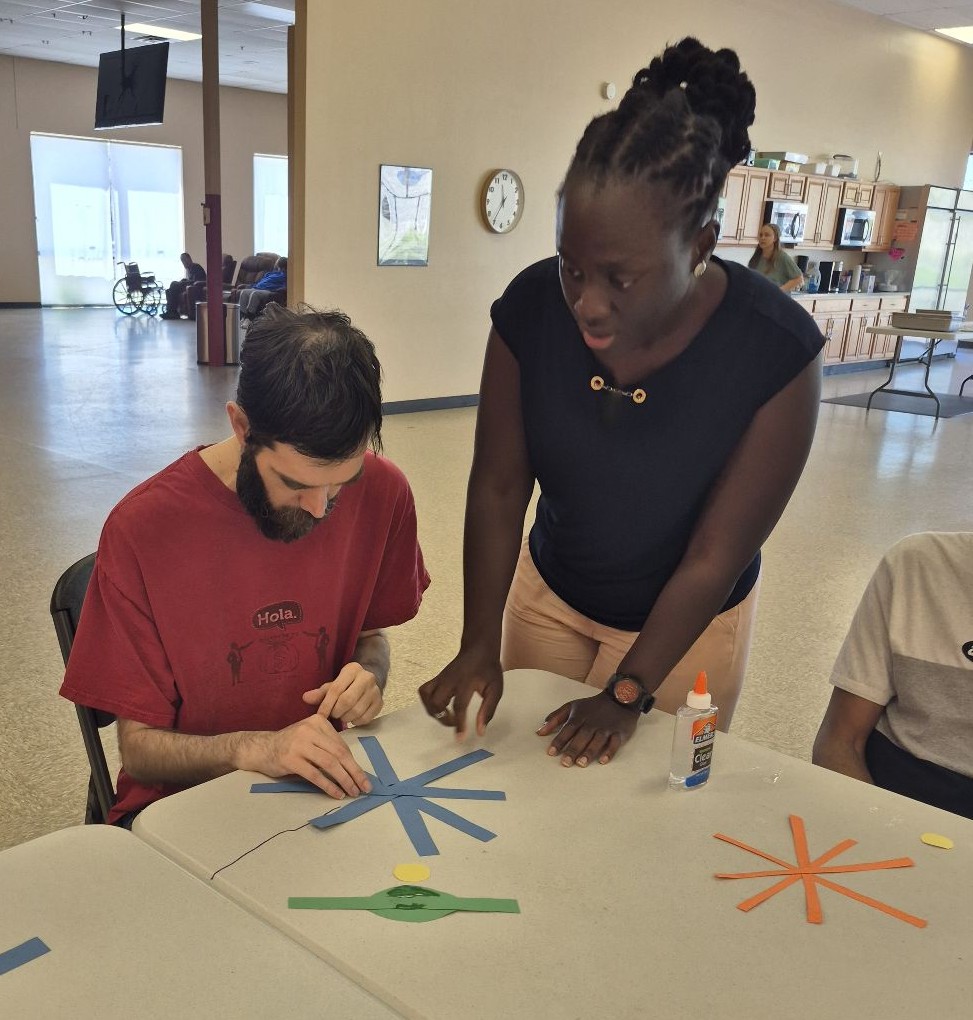
The transition to Individual Supported Living has also changed how care is provided. Smaller homes allow staff to build deeper relationships with fewer individuals. Clients have a stronger voice in who supports them and how they are supported. They advocate for themselves. They express preferences. They are learning and using their rights.
We have seen confidence grow. Independence deepen. Joy show up in unexpected ways.
This work requires more than systems and policies. It requires intention and support.
While state funding covers the basics, it is donor generosity that allows us to create spaces that feel safe, personal, and dignified, from furnishings and decor to the small details that turn a house into a home.
A gift today supports our Adult IDD clients as they continue building independent, stable lives in homes of their own.